Bitcoin transaction fees influence how quickly a transaction is likely to enter a block, while confirmations describe how deeply that block is buried in the chain. A wallet notification is not the same as confirmation. Check the fee, transaction ID, mempool state, and confirmation count on the Bitcoin network.
What the fee pays for
Bitcoin fees are attached to transaction data and network demand; they are not simply a percentage of the amount sent. Wallet software estimates a rate and may let the user choose a priority. A higher fee can improve priority but cannot guarantee a time.
What a confirmation means
The first confirmation occurs when miners include the transaction in a block. Additional blocks make reversal more difficult. Bitcoin.org notes that blocks arrive about every ten minutes on average, but block discovery is probabilistic and can be faster or slower.
Why a transfer is pending
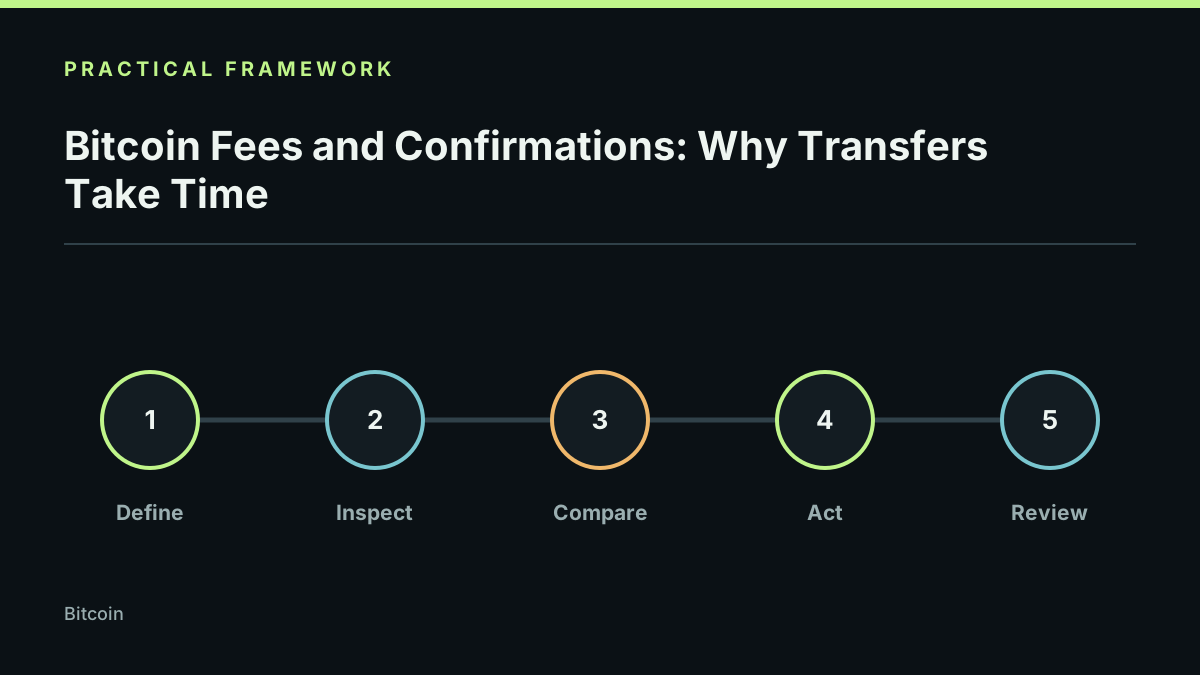
A low fee rate, network demand, wallet policy, replacement rules, or a transaction that has not propagated can delay confirmation. Check the exact transaction ID on a trusted explorer and use the wallet's documented bump or replace feature only when you understand its rules.
Confirm the destination
Before declaring success, verify the recipient address, amount, fee, network, and confirmations. Bitcoin versus Solana addresses explains why a token on another network has different finality and fee evidence.
Record the evidence
Save the transaction ID, fee rate, time, block height, confirmations, and source. Do not confuse a pending wallet balance with spendable funds. For high-value transfers, wait for a confirmation policy appropriate to the risk.
Limits and responsible use
No confirmation count removes key-management risk or guarantees future network performance. Wallet policies and fee markets change. Last reviewed 2026-09-21.