A coin is generally the native asset of a blockchain, while a token is created under a token standard or program on an existing chain. The distinction points to different technical questions, although everyday marketing uses the words loosely. Start with the crypto hub and then read the token launch guide.
A practical way to use this guide
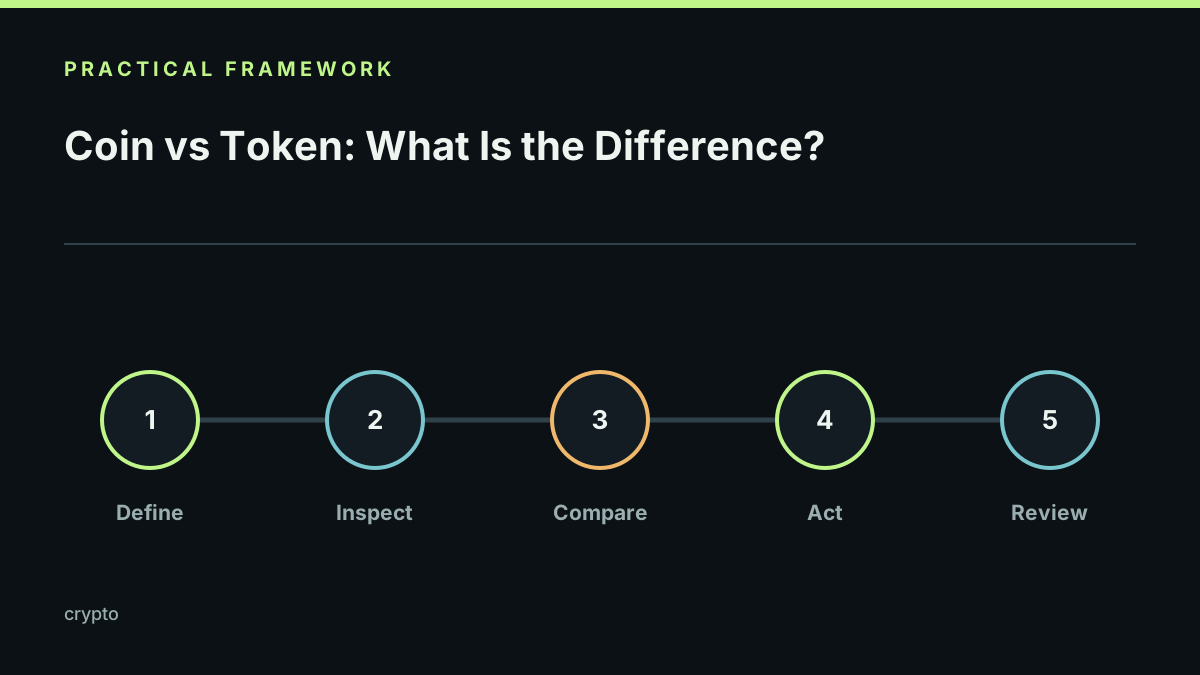
For a token, identify network, program, mint, decimals, authorities, supply, and metadata. For a coin, identify native-asset rules, fee role, consensus model, and wallet support. In both cases, a name or ticker is not proof of authenticity: compare the identifier with primary documentation and an explorer.
Limits and responsible use
The terms do not establish utility, liquidity, legal status, or value. Interfaces may label assets differently and standards evolve. Verify the exact network and identifier before interacting; never share keys or recovery phrases. Last reviewed 2026-09-14.
Quick review checklist
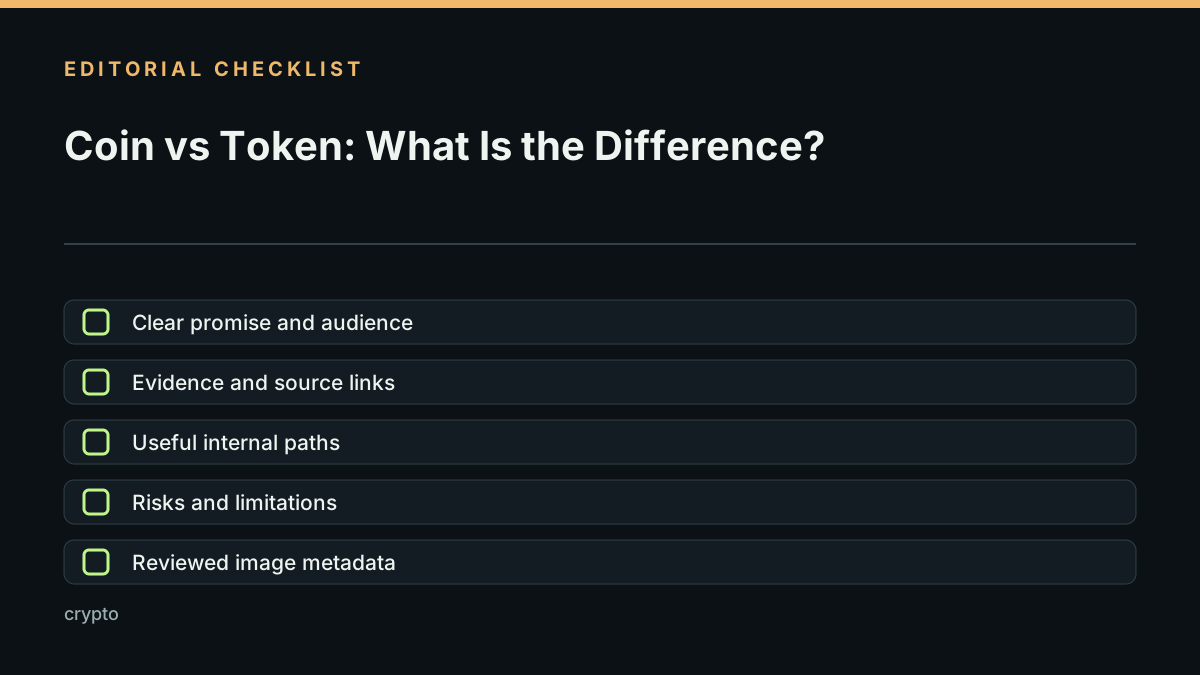
Before you rely on any crypto explanation, confirm the exact network, identifier, timestamp, data source, and intended audience. Follow the crypto glossary when a term is unfamiliar, and return to the crypto hub for the wider learning path. If the article describes a launch, pair it with the token launch guide and write down what the evidence does not establish. Prefer a small, reversible test over an irreversible action, keep private credentials out of forms and chats, and record material changes so readers can see what was updated.