
A crypto glossary is useful when it defines a term and explains why it matters in a real decision. This guide covers vocabulary for token pages, wallets, DEX interfaces, and on-chain reports. Begin with the crypto guides hub and follow its links for deeper explanations.
A practical way to use this guide
Address means a public network identifier. A wallet manages keys. A token is issued under a chain program or standard. Liquidity describes trade capacity; slippage describes execution difference; market cap combines price with a supply assumption. A mint identifies a token, an authority is a permission, and on-chain data is public records interpreted through a query.
Limits and responsible use
Definitions do not remove risk. Interfaces use shorthand, providers disagree, and a word can differ across chains. Confirm network, identifier, timestamp, and source. This glossary is educational, not investment advice. Last reviewed 2026-09-14.
Quick review checklist
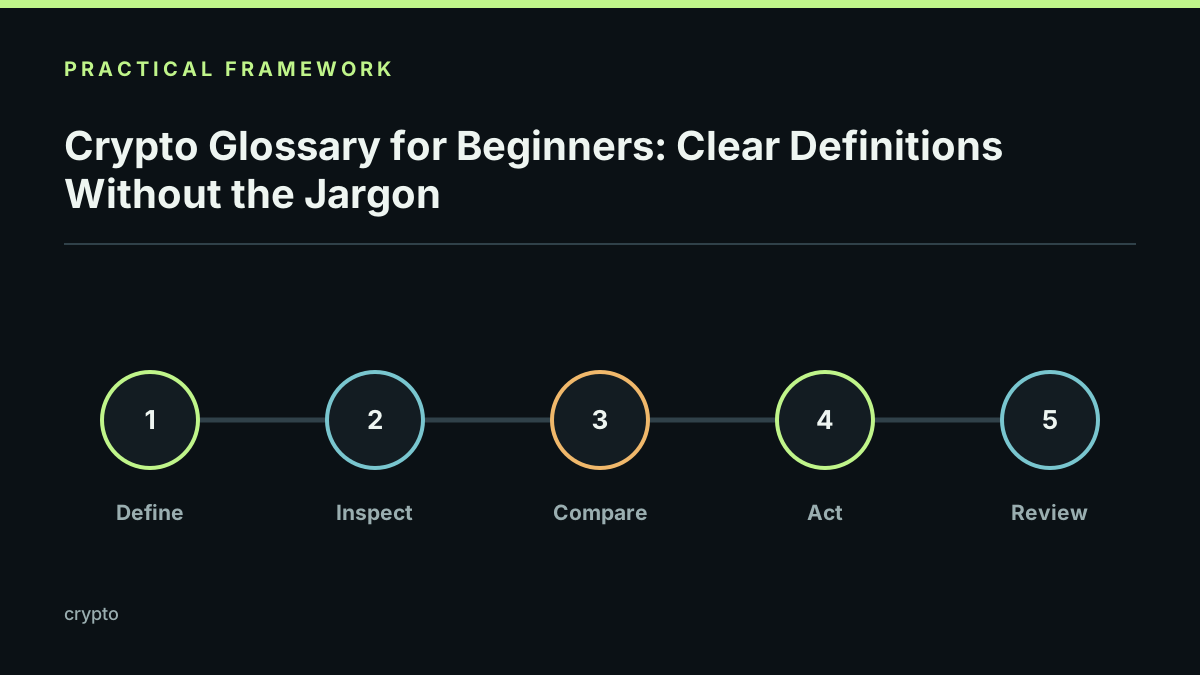
Before you rely on any crypto explanation, confirm the exact network, identifier, timestamp, data source, and intended audience. Follow the crypto glossary when a term is unfamiliar, and return to the crypto hub for the wider learning path. If the article describes a launch, pair it with the token launch guide and write down what the evidence does not establish. Prefer a small, reversible test over an irreversible action, keep private credentials out of forms and chats, and record material changes so readers can see what was updated.
Explore the full guide library
- How to create a memecoin website
- How to launch a memecoin responsibly
- How to launch a memecoin on Solana
- Fully diluted valuation explained
- Memecoin launch mistakes
- Memecoin marketing without spam
- Rewards versus token transfers
- Stonk versus meme stock
- What does stonk mean?
- What is a crypto wallet?
- What is a memecoin?
- What is slippage?
- EthereumMax celebrity endorsement case study
- Laptop 2026 launch case study