
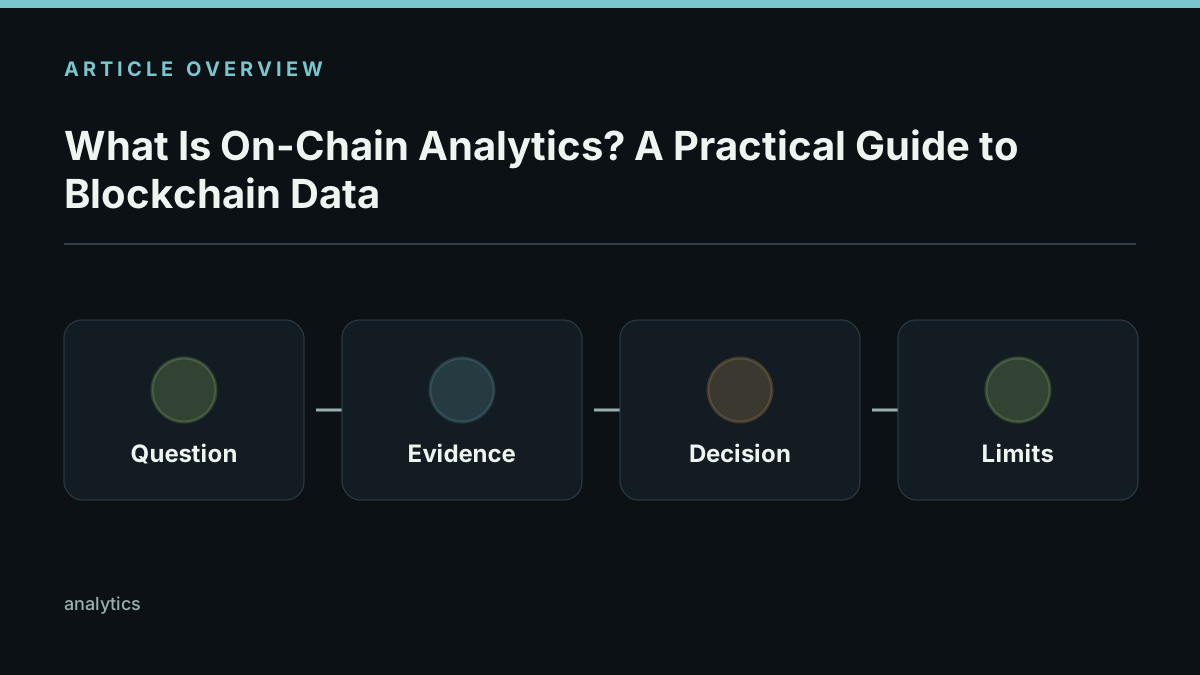


On-chain analytics organizes and interprets public records such as transactions, balances, program calls, and timestamps. It can reveal observable activity around addresses and contracts, but usually cannot prove a person’s identity, intent, or complete financial position. Start with the crypto analytics guide.
A practical way to use this guide
Define the question; identify network and source; normalize addresses and timestamps; separate direct transfers from program events; and record missing coverage. Check mint and token program before aggregating. Use the on-chain rewards guide for distributions.
Limits and responsible use
Reports can contain duplicates, delays, RPC gaps, mislabeled wallets, spam, and incomplete history. A chart is evidence of a query, not a complete story. Preserve assumptions, source, time range, and confidence limits. Last reviewed 2026-09-14.
Quick review checklist
Before you rely on any crypto explanation, confirm the exact network, identifier, timestamp, data source, and intended audience. Follow the crypto glossary when a term is unfamiliar, and return to the crypto hub for the wider learning path. If the article describes a launch, pair it with the token launch guide and write down what the evidence does not establish. For a practical staking-duration example, see how projects can discover long-term JUP stakers. Prefer a small, reversible test over an irreversible action, keep private credentials out of forms and chats, and record material changes so readers can see what was updated.