

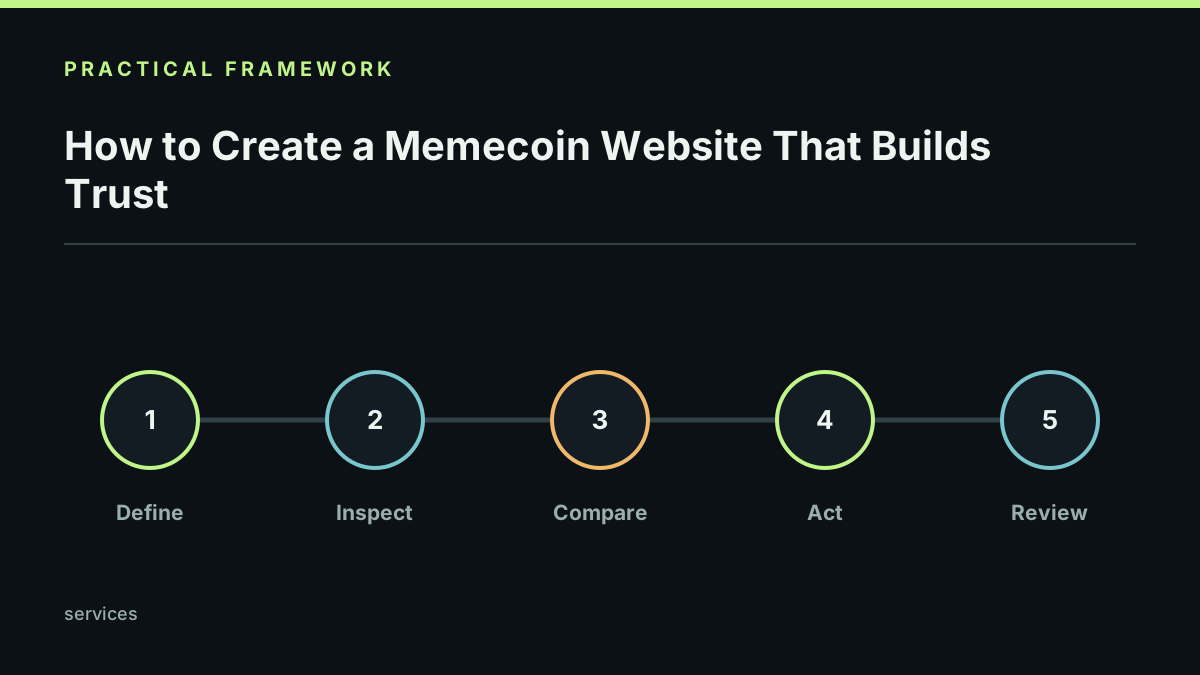
A memecoin website should answer quickly: what is the project, who is it for, which network and mint are official, what can the token do, and what risks should a reader understand? Use the memecoin website builder and keep the launch path simple.
A practical way to use this guide
Use an overview, token facts, allocation, roadmap, community links, documentation, disclosures, and contact method. Put the official mint address in copyable text with a second verification path. Add a changelog, accessible headings, descriptive links, fast media, and mobile contrast. The crypto project website checklist provides reusable checks.
Limits and responsible use
Good design cannot verify a token or guarantee an outcome. Avoid countdown pressure, fake audits, unverified partner logos, and investment language. Review redirects, metadata, and links before launch. Last reviewed 2026-09-14.
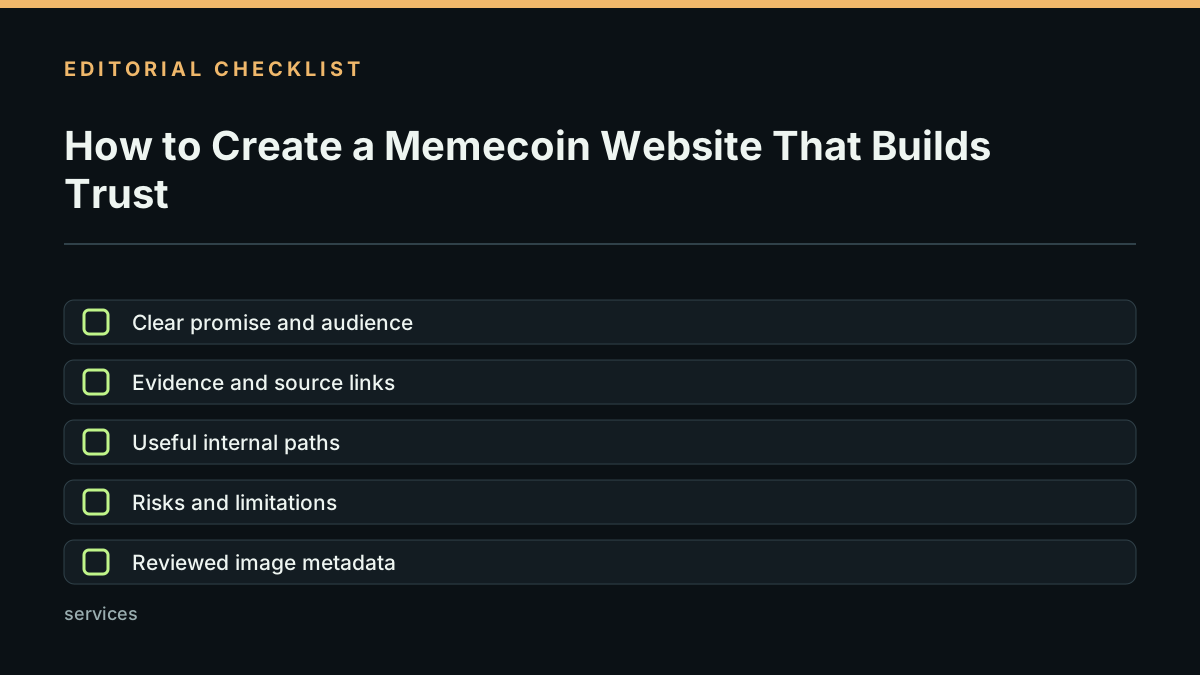
Quick review checklist
Before you rely on any crypto explanation, confirm the exact network, identifier, timestamp, data source, and intended audience. Follow the crypto glossary when a term is unfamiliar, and return to the crypto hub for the wider learning path. If the article describes a launch, pair it with the token launch guide and write down what the evidence does not establish. Prefer a small, reversible test over an irreversible action, keep private credentials out of forms and chats, and record material changes so readers can see what was updated.