
A crypto project website should make the important facts easy to find before a visitor connects a wallet or follows a launch link. The minimum is not a flashy hero section; it is clear identity, exact network and token information, understandable risks, current documentation, and official links. Use the crypto website builder as the main service path.
A practical way to use this guide
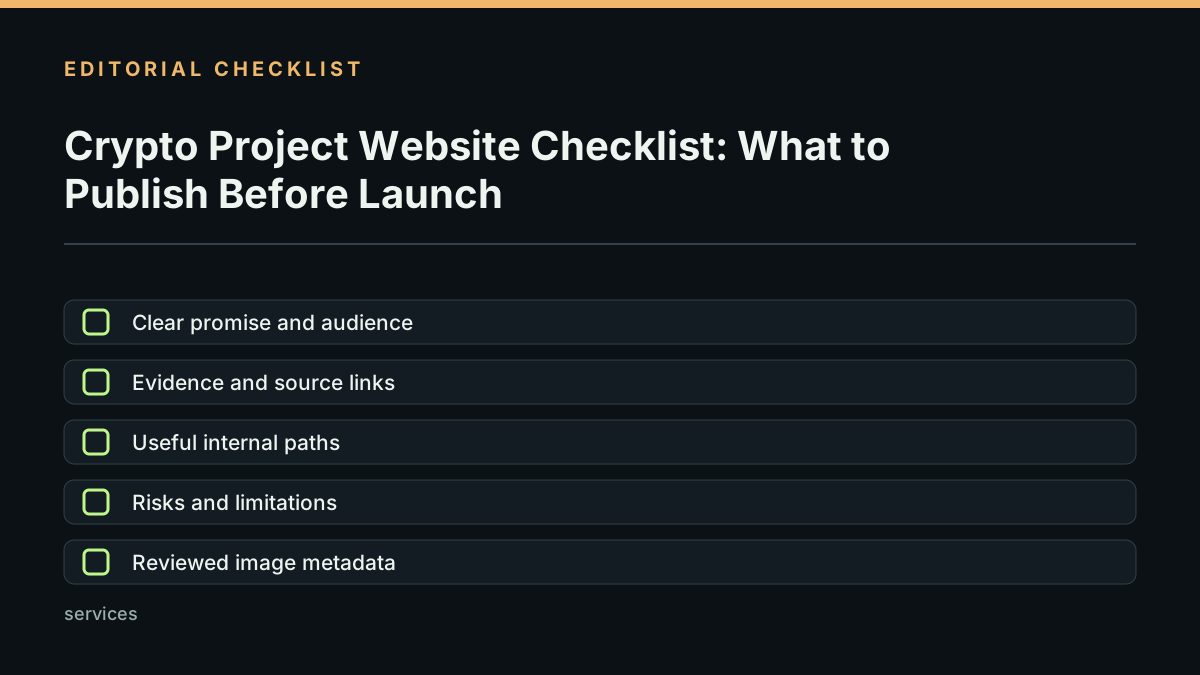
Check the project name, canonical domain, mint address, token program, supply, authority permissions, allocation, roadmap, support contact, legal notices, and changelog. Test every external link, mobile layout, heading hierarchy, metadata field, canonical URL, robots directive, and sitemap entry. Add a second way to verify official accounts. The token launch guide helps connect site copy to operational decisions.
Limits and responsible use
A complete website cannot prove a token is safe, valuable, or compliant. Avoid guaranteed-return claims, fake scarcity, copied audits, undisclosed promotion, and unverifiable partners. Review the page after every material token or governance change. Last reviewed 2026-09-14.
Quick review checklist
Before you rely on any crypto explanation, confirm the exact network, identifier, timestamp, data source, and intended audience. Follow the crypto glossary when a term is unfamiliar, and return to the crypto hub for the wider learning path. Prefer a small, reversible test over an irreversible action, keep private credentials out of forms and chats, and record material changes so readers can see what was updated.