

Slippage is the difference between an expected trade price and the price actually executed. It can come from market movement, shallow liquidity, routing, fees, or a transaction waiting in a block. The DEX guide gives the venue context, while the Jupiter Exchange guide shows how to read a live quote without treating tolerance as a target price.
A practical way to use this guide
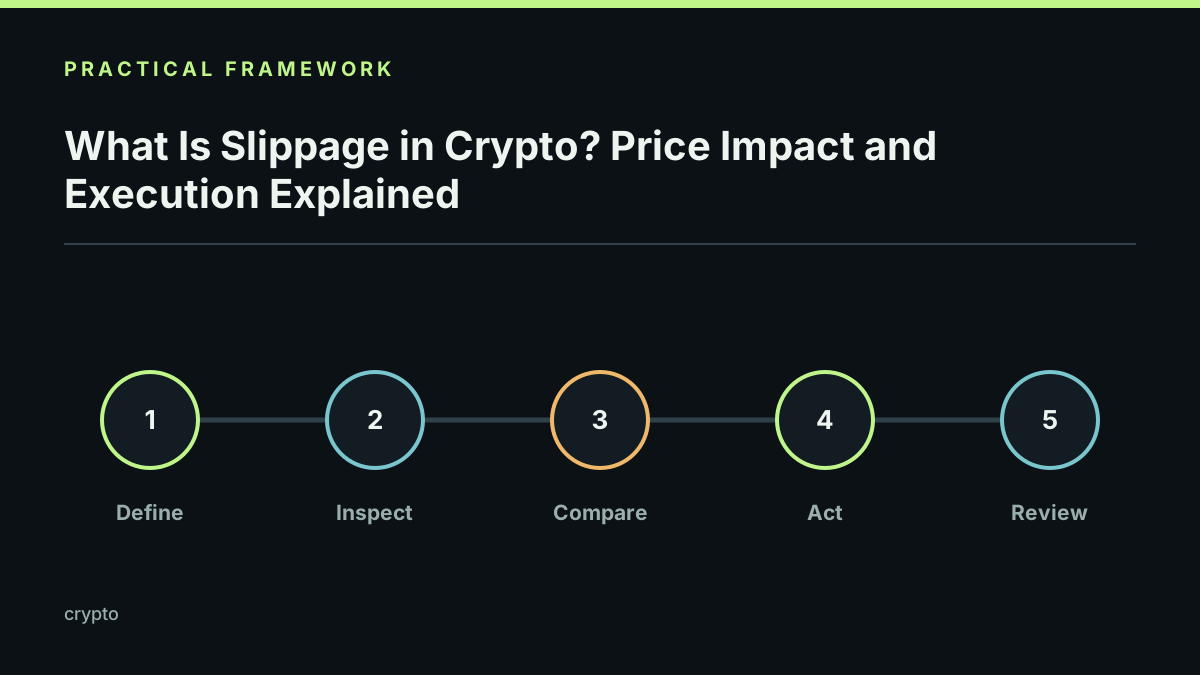
Before signing, check quoted amount, minimum received, price impact, network fee, route, and deadline. Separate protocol price impact from user-selected slippage tolerance: tolerance is a limit, not a discount. Large trades in shallow pools usually move price more. Cancel and re-check unusual quotes.
Limits and responsible use
Lower tolerance may cause failure; higher tolerance may permit a materially worse fill and, depending on venue, increase sandwich exposure. Settings cannot make an illiquid asset liquid. This is educational, not a trading recommendation. Last reviewed 2026-09-14.
Quick review checklist
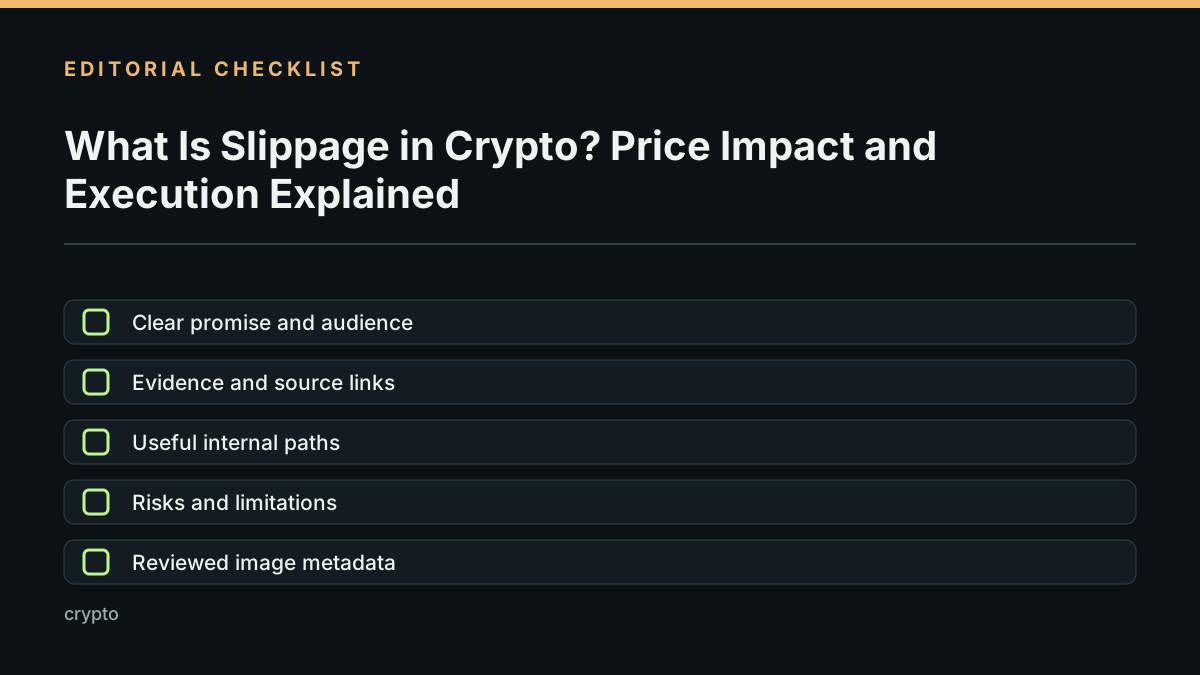
Before you rely on any crypto explanation, confirm the exact network, identifier, timestamp, data source, and intended audience. Follow the crypto glossary when a term is unfamiliar, and return to the crypto hub for the wider learning path. If the article describes a launch, pair it with the token launch guide and write down what the evidence does not establish. Prefer a small, reversible test over an irreversible action, keep private credentials out of forms and chats, and record material changes so readers can see what was updated.