A decentralized exchange, or DEX, lets users trade through on-chain programs rather than a traditional centralized order desk. It may use pools, orders, routing, or aggregators. Read the crypto hub, then connect this concept to Jupiter Exchange and memecoin liquidity.
A practical way to use this guide
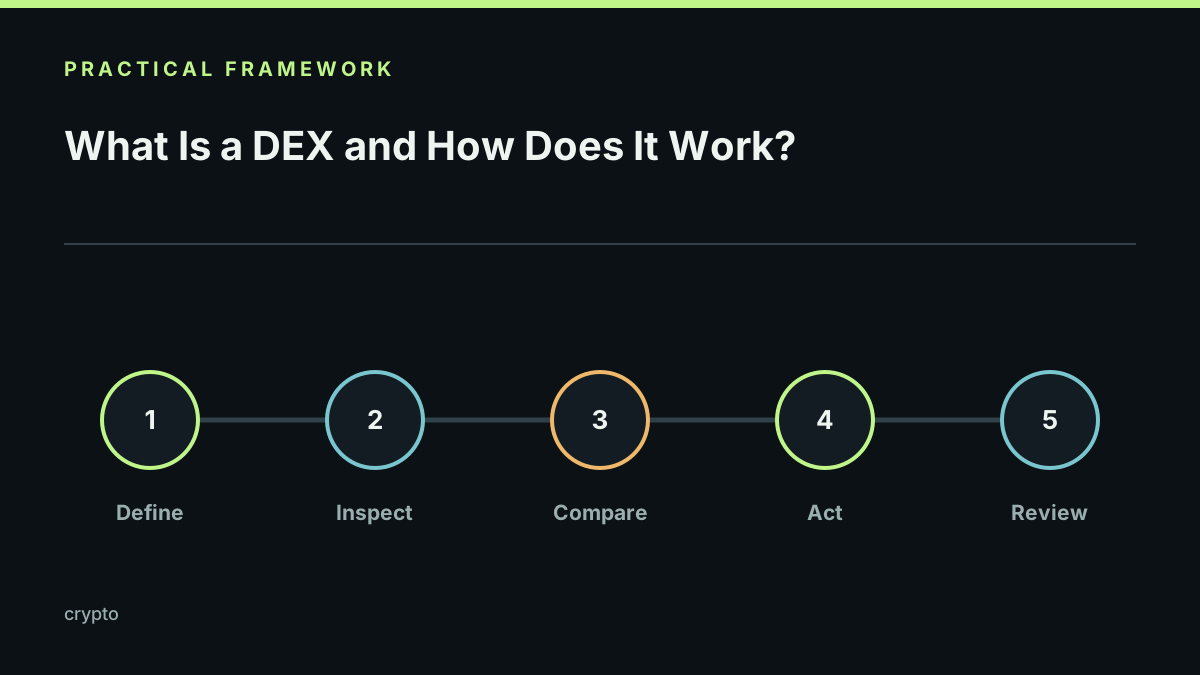
Identify the official application, route, token identifiers, minimum received, price impact, fees, and deadline. Review the simulation and wallet prompt. Pool-based markets rely on liquidity providers and automated pricing; the displayed price can move while a transaction waits. A DEX removes one intermediary, not all risk.
Limits and responsible use
A DEX does not guarantee fair pricing, safety, or availability. Contracts can contain bugs and tokens can be malicious. Slippage tolerance is not an expected return. Keep keys secret and use primary documentation. Last reviewed 2026-09-14.
Quick review checklist
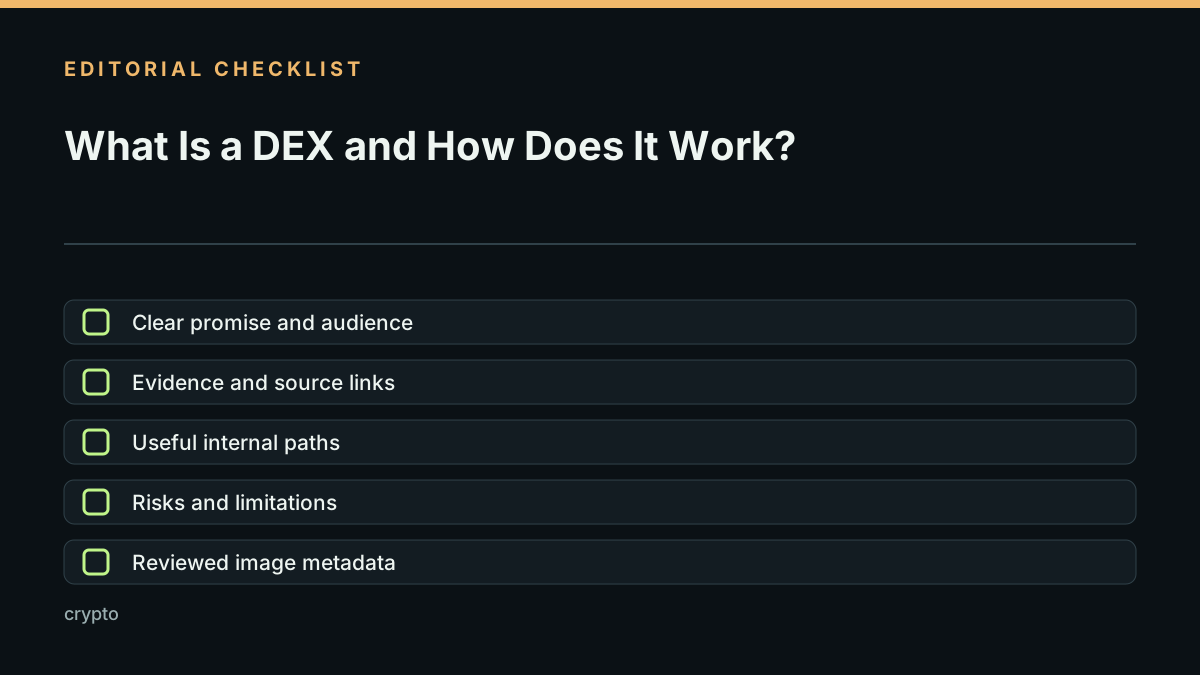
Before you rely on any crypto explanation, confirm the exact network, identifier, timestamp, data source, and intended audience. Follow the crypto glossary when a term is unfamiliar, and return to the crypto hub for the wider learning path. If the article describes a launch, pair it with the token launch guide and write down what the evidence does not establish. Prefer a small, reversible test over an irreversible action, keep private credentials out of forms and chats, and record material changes so readers can see what was updated.