Jupiter and Raydium are different layers in Solana trading. Jupiter presents routing and trading products that can compare venues, while Raydium operates its own liquidity and exchange products. Comparing them fairly means comparing the exact route, pool, fees, liquidity, and user goal, not assuming that one brand is always cheaper or safer.
Aggregation versus a venue
An aggregator can search across venues and split a route; a venue may expose its own pools and trading interface. The distinction affects route visibility, pool exposure, fees, and the programs a wallet transaction calls. Read what a DEX is before treating the names as interchangeable.
Compare like for like
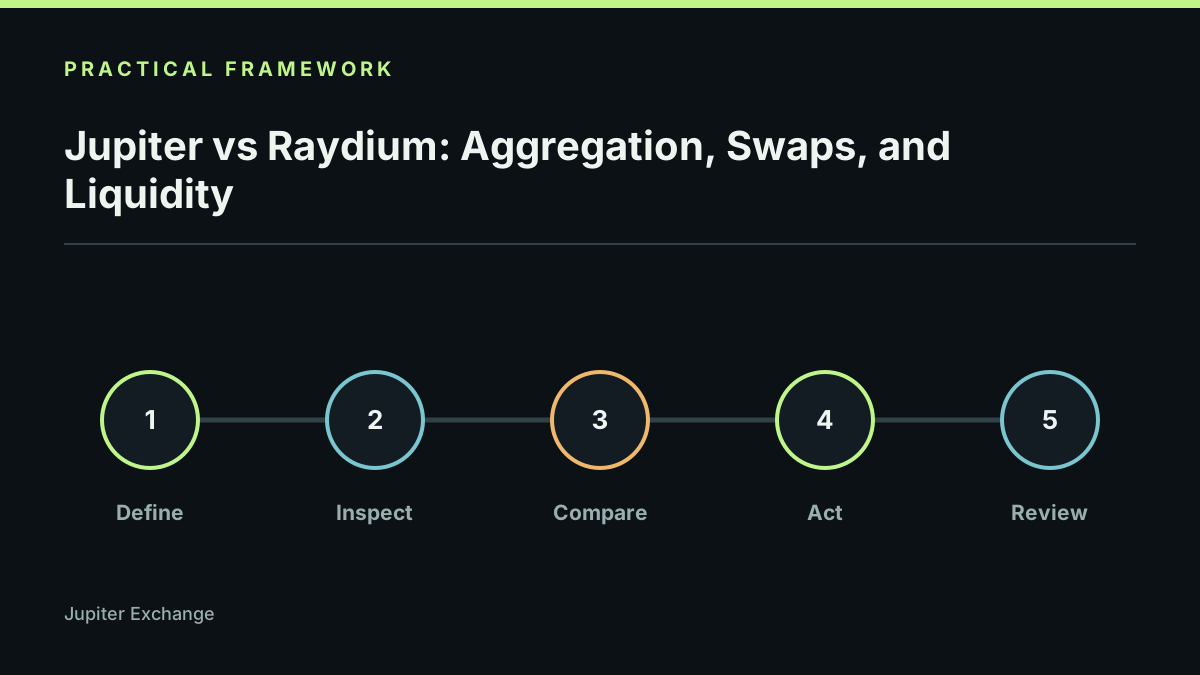
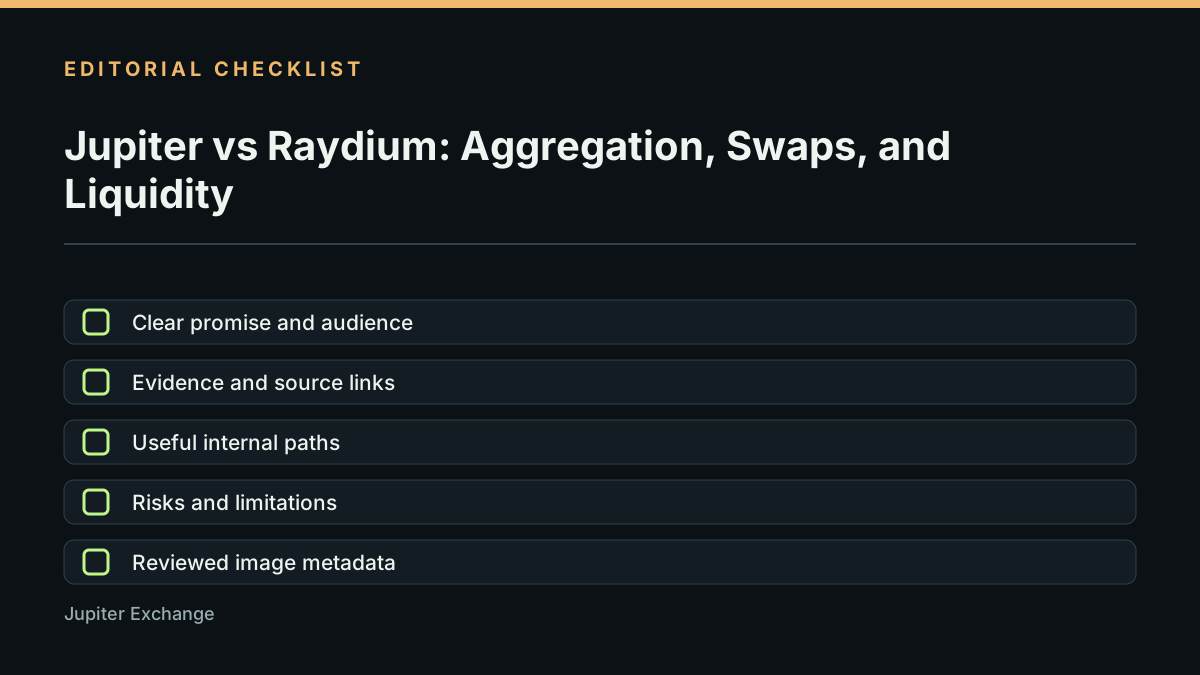
Use the same token mints, size, timestamp, wallet, and network state. Record output, price impact, route, network fee, platform fee, pool reserves if available, and minimum received. A route that looks better for one order can be worse for another.
Liquidity and token risk
Neither interface removes the risks of thin liquidity, malicious tokens, frozen accounts, or stale metadata. Verify the exact token and inspect the route. A deep-looking pool does not prove the project is legitimate or that liquidity will remain.
Choose by task
Use Jupiter's documented routing and quote tools when you need a cross-venue comparison. Use a venue-specific interface when you need to inspect or provide liquidity there. The right choice depends on the operation, not a broad ranking.
Document the result
Save the quote and final signature, then confirm execution on-chain. Explain the comparison date and assumptions in any research note. Avoid claims such as “best exchange” unless the test scope and timestamp are explicit.
Limits and responsible use
This is an intent and measurement framework, not a live fee comparison. Interfaces, pools, and support change; re-run the same bounded comparison before acting. Last reviewed 2026-09-21.